
How To Test Skin Care Products Before Applying?
In How To Test Skin Care Products Before Applying, I will walk you through the same patch-testing principles I use every day in my Brisbane studio, especially for clients with sensitive skin, skin types prone to irritation, or a history of allergic reactions.
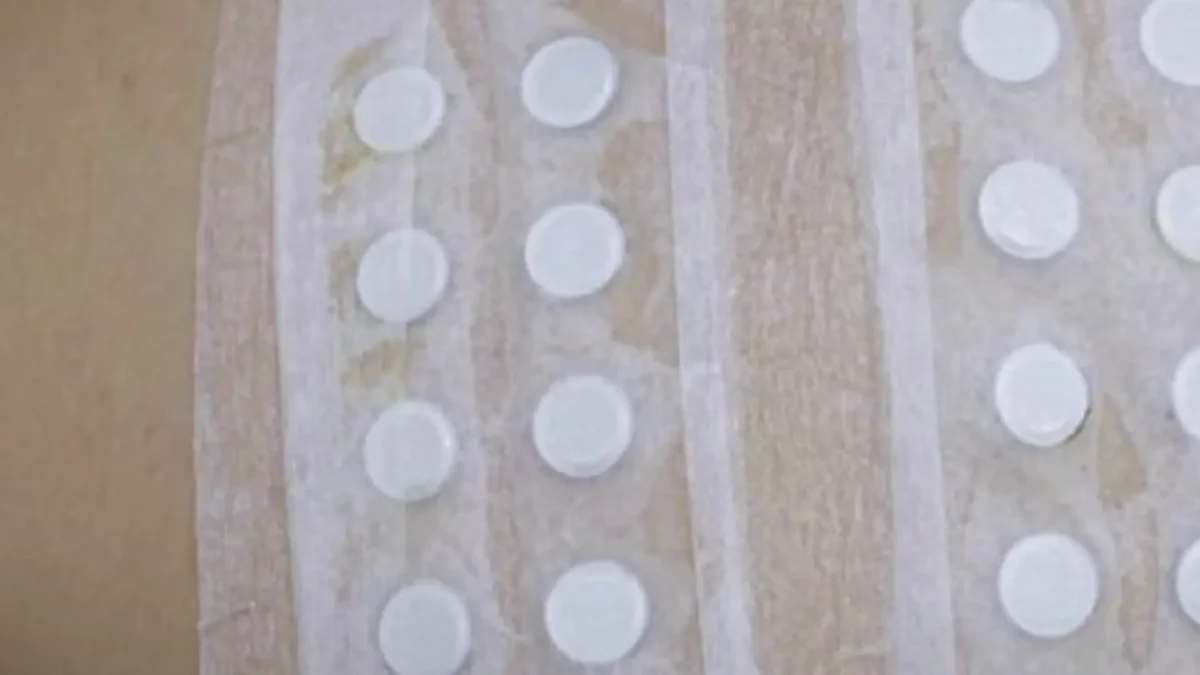
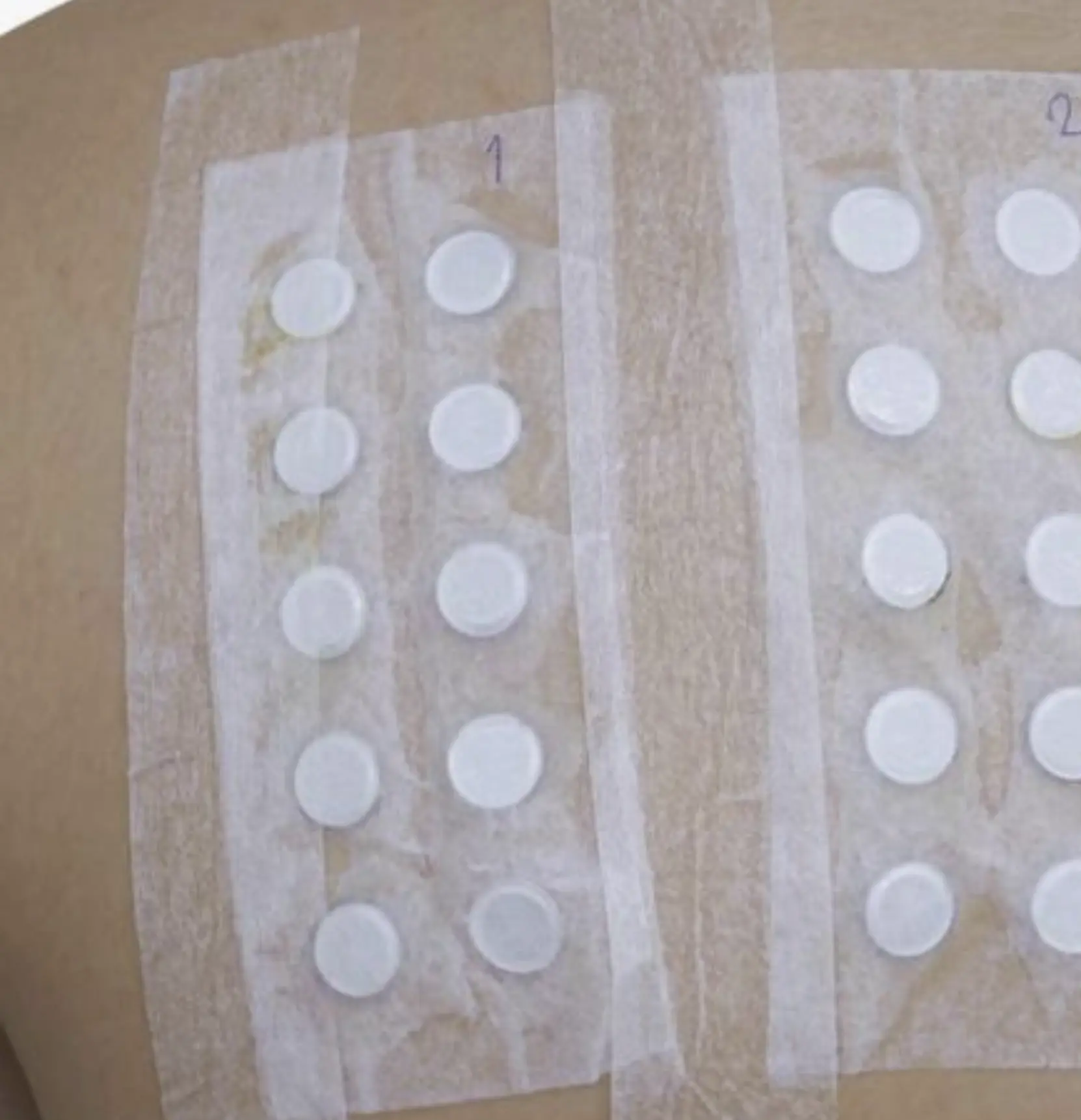
Before we dive in, let me give you the lowdown: the safest way to test a skincare product is to do a patch test, ideally on a few small areas, and monitor for any signs of skin reaction over the next 24-72 hours.
Contents
- 1 Why Pre-Treatment Testing Matters More Than Ever
- 2 How To Safely Trial New Products
- 3 What Reactions You Should Look Out For
- 4 Testing Different Ingredients Safely
- 5 Ingredient Sensitivity At A Glance
- 6 Introducing A New Product Safely
- 7 Real Stories From My Brisbane Studio
- 8 2026 Beauty Trends In Product Testing
- 9 FAQ
Why Pre-Treatment Testing Matters More Than Ever
New skincare products are pouring out every other day, and the 2026 beauty trends show that reactions from using alpha-hydroxy acids are on the rise (41% rise over the year, to be exact, according to the 2026 APAC Beauty Insights Report). With increasingly strong formulas on the market, your skin has to work overtime to deal with the harsh ingredients in cosmetics, making sensitivity much more common.
Patch testing isn’t just a routine safety measure. It keeps you safe from stuff like:
- Contact dermatitis, the dreaded itchy rash
- Allergic contact dermatitis, when your skin freaks out over something it shouldn’t
- Reactions to essential oils or fragrances that make your skin go haywire
- Irritation from vitamin C, glycolic acid, or other active ingredients that you’ve never tried before
- And it stops you from misunderstanding how your skin type is going to react to a new formula
Because we’re based in Brisbane, with its warm, humid climate, skin sensitivities tend to appear sooner after sun exposure, sunscreen use, or recent laser treatment.
How To Safely Trial New Products
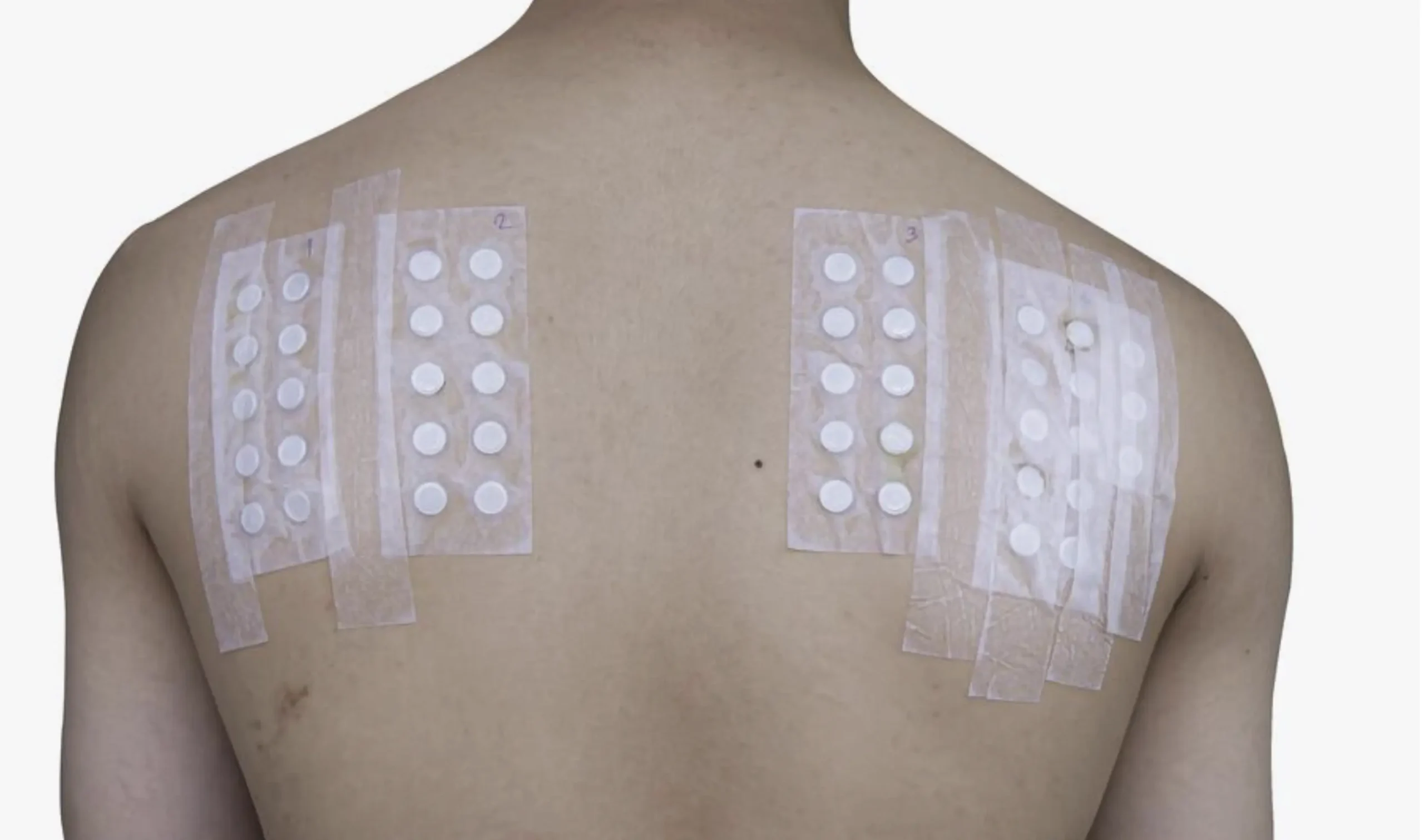
Patch testing is the simplest way to determine how your skin will react to a new skincare product without risking a full-blown flare-up on your face.

Choose The Right Testing Zone For Accurate Results
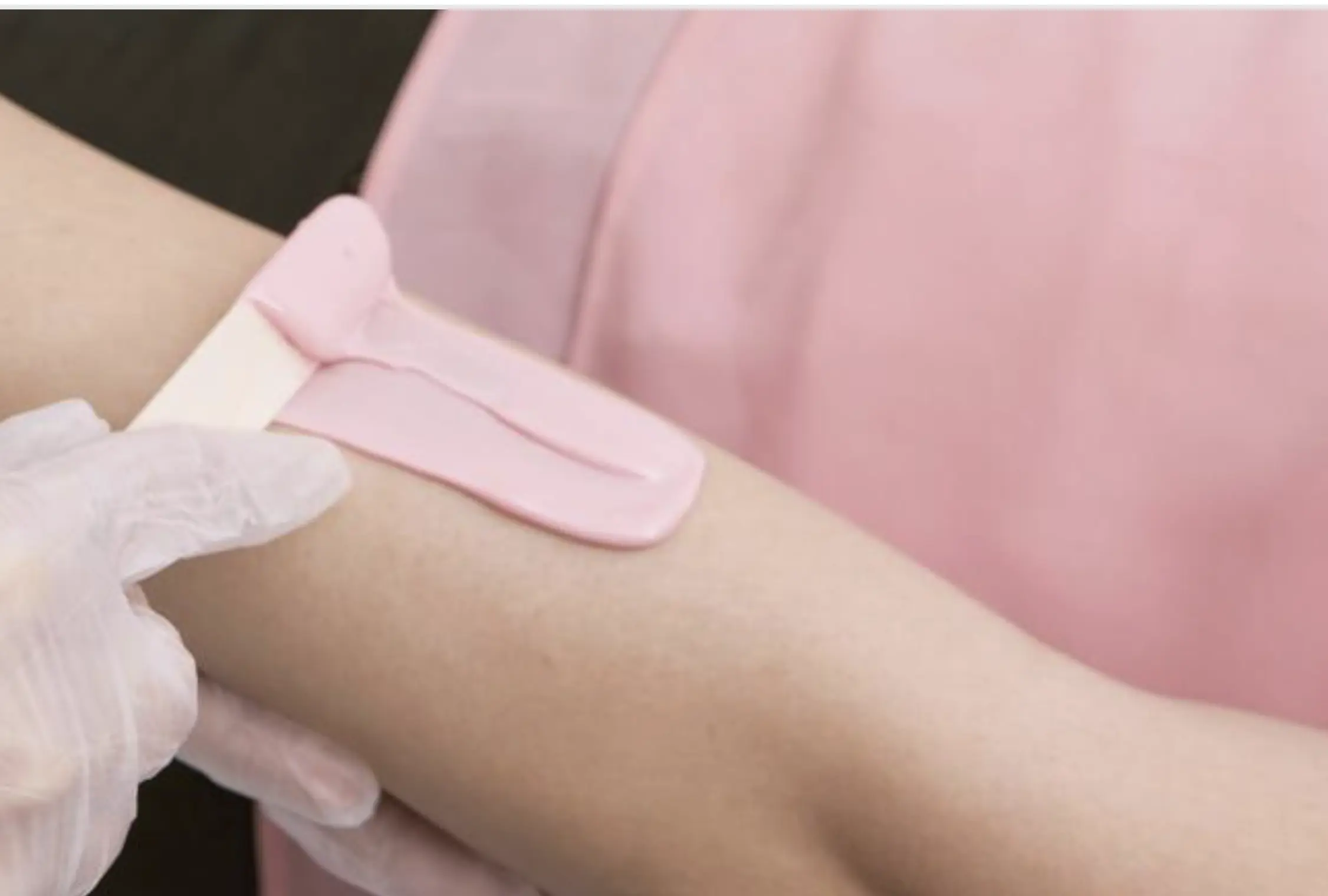
For most people, the upper inner forearm works a treat – it behaves similarly to your facial skin, while staying hidden away. If you’re super sensitive or prone to skin allergies, also test behind the ear – this area seems to mirror how your cheeks and jaw will react, especially if you have sensitive skin or have recently had some laser therapy.
Apply A Tiny Amount — Less Is More When Testing
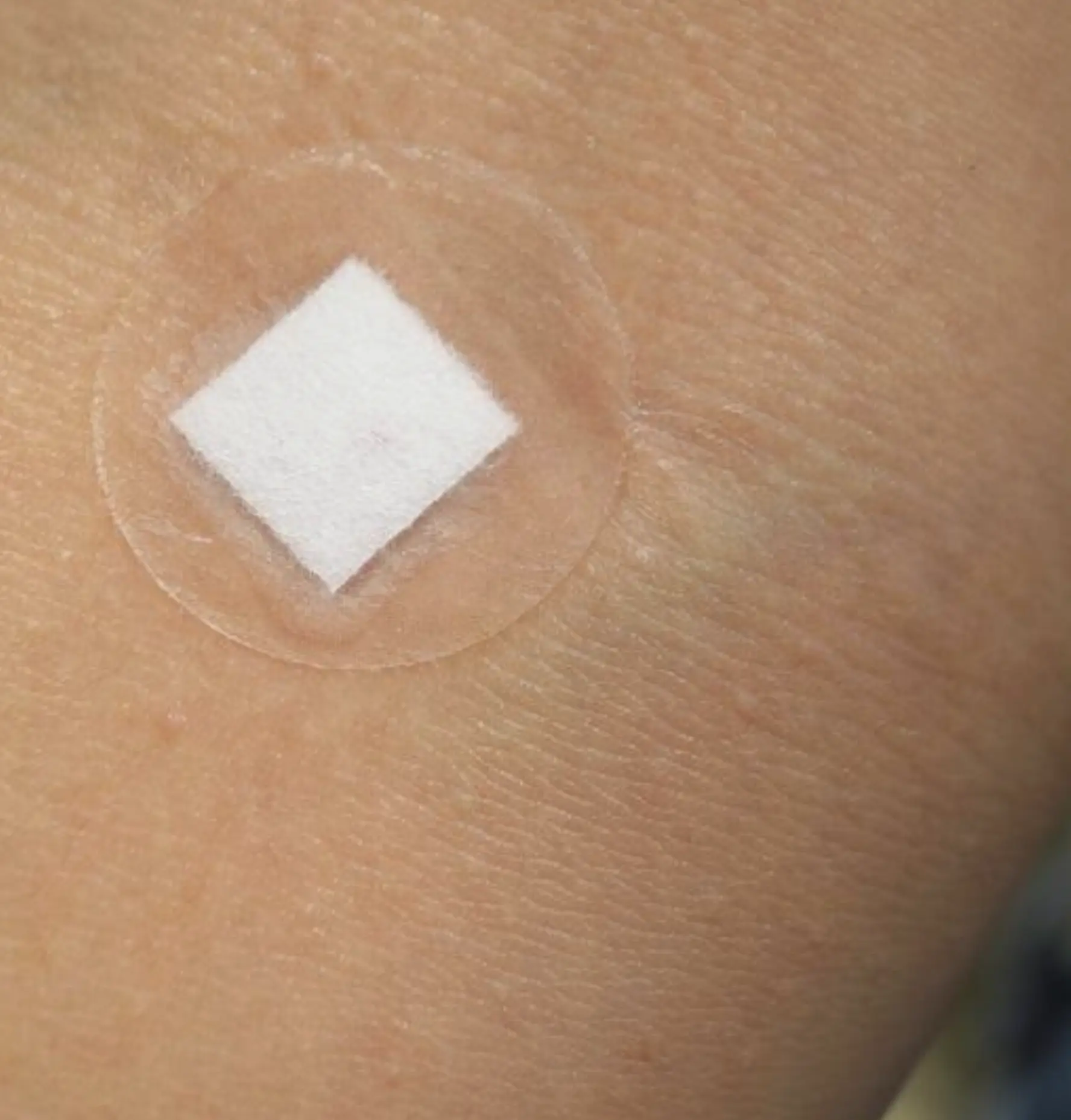
A pea-sized dab of product is sufficient, and you can hold it in place with a semi-occlusive patch or a cotton tip dipped in petroleum jelly to protect the skin that isn’t receiving the product. Avoid using fully occlusive patches unless a doctor or a dermatologist tells you to – they can make the potent active ingredients absorb way too fast, like glycolic acid.
Monitor Your Skin Over 72 Hours (Not Just Day One)
Delayed reactions are a thing – especially allergic contact dermatitis. Most people notice changes within 24-48 hours, especially when using alpha-hydroxy acid, vitamin C, scented face masks, or new face-wash formulas.
What Reactions You Should Look Out For
Knowing the early warning signs of a reaction makes it significantly easier to nip irritation in the bud before it deserves a careful patch test rather than relying on a.
Mild Warmth Or Slight Pinkness — Usually Normal
You get a slight tingling, a bit of warmth or temporary flushing with active ingredients – especially with acids and Vitamin C. That doesn’t necessarily mean the product will be a disaster for your skin type.
Itchiness, Bumps, Or A Burning Sensation — Stop Immediately
These are telltale signs of skin irritation or an allergic reaction, often triggered by fragrances, essential oils, or unbuffered acids such as glycolic acid. Continue using that product, and it could escalate into a full-blown skin reaction or a compromised skin barrier.
Hives, Swelling, Or Blistering — Seek Professional Advice
These are clear signs of a proper allergic reaction, and you should stop using the product pronto. If needed, your doctor may recommend over-the-counter treatments or refer you for skin testing.
Testing Different Ingredients Safely
Each ingredient behaves differently on the skin, so each warrants a careful patch test rather than using L-ascorbic acid as a one-size-fits-all approach.
Retinoids And Strong Actives Need A Gentler Approach
Retinoids can be intense on sensitive skin – they really accelerate cellular renewal. So you should use a small amount and avoid using dampened patches – they might actually make them absorb faster.
Acids Should Be Tested In Very Small Areas
Glycolic Acid and other alpha-hydroxy acids can spread really easily and give you a bit of a tingling feeling. Use a small area and ensure you don’t overlap with different active ingredients.
Vitamin C Requires Sun-Aware Testing
Using L-ascorbic acidSo the product has passed the patch test – now just take things nice and steady to give your skin time to adjust without setting your barrier into overdrive, even if you live in a climate as lovely as Brisbane’s or have recently had a laser treatment, chemical peel, or are using treatment options like dermal fillers. may cause a slight warming sensation. Try to perform the patch test when you’re not switching your routine, using chemical peels, or starting a new sunscreen to avoid misinterpreting a reaction.
Ingredient Sensitivity At A Glance
| Ingredient Type | Common Reaction Risk | Sensitivity Level | Recommended Patch-Test Time |
|---|---|---|---|
| Retinoids | Redness, flaking | High | 48–72 hours |
| Glycolic acid (AHA) | Stinging, dryness | Medium–High | 24–48 hours |
| Vitamin C | Warmth, mild tingling | Medium | 24–48 hours |
| Fragrance / Essential Oils | Rash, itching | High | 48 hours |
| Sulphate-free products | Low irritation | Low | 24 hours |
| Fragrance-free products | Rare irritation | Low | 24 hours |
Introducing A New Product Safely
So the product has passed the patch test – now just take things nice and steady to give your skin time to adjust without setting your barrier into overdrive, even if you live in a climate as lovely as Brisbane’s or have recently had a laser treatment, chemical peel or are using treatment options like dermal fillers.
Start With A “Low And Slow” Application Schedule
Even if the patch test came back clear, you should still apply your new skincare product no more than every second or third night. This is generally a good idea in Brisbane’s climate, especially if you’re a client recovering from laser treatment or a chemical peel, or if you’re using cadence such as dermal fillers.
Pair With Barrier-Supporting Products
Ceramides, panthenol, and squalane strengthen the skin barrier, helping keep reactions to potent active ingredients at bay — which is also why calming treatments like a hydrojelly facial are often used to soothe reactive skin.
Avoid Adding Multiple New Products At Once
If you do react, you won’t know whether it was the cleanser, serum, moisturiser, or sunscreen. One new product per week is the ideal cadence.
Real Stories From My Brisbane Studio
One poor client reacted to a luxurious serum because of a hidden fragrant botanical extract – you know the one that’s advertised as a “glow serum” but actually causes skin sensitivities. And then there was the one who had persistent contact dermatitis because they mixed a bunch of potent actives after a laser treatment and assumed that because it said dermatologically tested, it meant it was safe for all skin types (not so – it just means it got tested by dermatologists, it doesn’t mean it’s safe for your skin type at all).
The good news is that patch testing saved both of them weeks of discomfort — something we always emphasise before recommending advanced facials at The Facial Hub Brisbane, where ingredient sensitivity is carefully assessed.
2026 Beauty Trends In Product Testing
The skincare landscape is moving fast, and with the new wave of potent actives and bioactive formulas, it’s more important than ever to patch-test — just as proper education and tattoo removal certification ensure practitioners understand how skin reacts to advanced treatments.
Potent Actives Are Everywhere
You’ll see brands offering higher concentrations of alpha-hydroxy acids, vitamin C, and hybrid formulas with multiple active ingredients, so be more careful with patch testing than you would have been in the past.
More And More Products Are Featuring Bioactive Ingredients
New trends mean new cosmetic ingredients, and unfortunately, that also means new and unexpected skin reactions are becoming more common.
“Natural” Doesn’t Necessarily Mean Safer
Even fragrance-free or sulphate-free products can still irritate, depending on your skin type and sensitivities.
Patch testing really does give you the clarity you need in this fast-moving beauty landscape – especially when your local beauty store is out of stock, and you feel like just buying the first thing that looks good.
FAQ
How long should I leave a skincare product on before patch testing?
Ideally, 24–72 hours, depending on your skin type and whether you’re testing strong active ingredients like glycolic acid or vitamin C.
Should I patch test fragrance-free or sulphate-free products?
Yes — any formula can cause skin irritation, especially if you have sensitive skin or existing barrier issues.
Where should I do a patch test?
The inner forearm or behind the ear. These small areas reflect how most skin types react to new products.
What if my skin only reacts slightly?
Slight warmth is typical with activities. Itching, burning, bumps, or swelling are signs ofan allergic reaction or contact dermatitis.
Can I patch test potent actives under a patch?
Use a semi-occlusive patch only. Avoid using fully occlusive patches unless advised by a physician or dermatologist.
